Breast Augmentation Fat Transfer for Personalized Enhancement
Breast Augmentation Fat Transfer for Personalized Enhancement
Blog Article
Fat Transfer Breast Enlargement: A Pure Approach to Enhancement
Fat transfer breast augmentation offers a distinct alternative to traditional implants. By leveraging the individual's natural fat, this procedure aims to boost breast volume while contouring other areas of the body. The procedure is gaining popularity due to its natural results and lower risk of complications. However, concerns about suitability and possible complications remain. Comprehending these factors can offer insight on whether this approach is appropriate for individual enhancement goals.

How Does Fat Transfer Breast Augmentation Work?
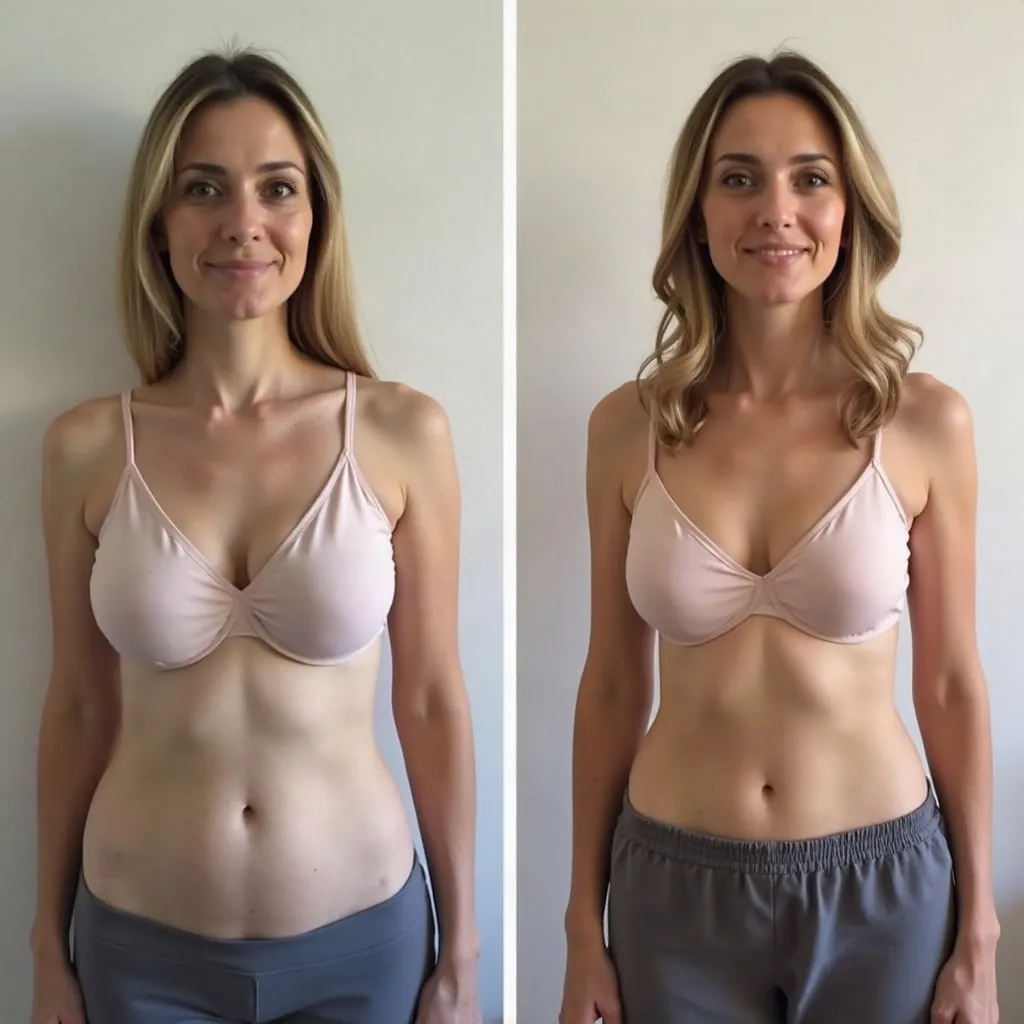
Fat transfer breast enhancement, also referred to as autologous fat grafting, is a cosmetic procedure that increases breast volume using the patient's own body fat. This technique involves two main steps: liposuction and fat injection. First, fat is harvested from areas of the body where excess fat is available, such as the abdomen or thighs. The harvested fat is then refined to remove impurities before being precisely inserted into the breast tissue.
One of the primary benefits of this method is that it utilizes the patient's own biological material, which can lead to a more natural feel and appearance. Additionally, patients gain from body contouring in the areas where fat is removed. While the procedure can increase breast size, it also provides delicate shaping and contouring, making it a popular option among individuals seeking a more holistic approach to breast enhancement. Overall, it represents an innovative option in cosmetic surgery.
Benefits of Selecting Fat Transfer Over Implants
Opting for fat transfer breast enlargement provides numerous advantages compared to standard implants, making it an desirable option for many individuals. One important advantage is the utilization of the individual's own body fat, which reduces the risk of hypersensitivity responses or dismissal related to foreign materials. This approach creates a more natural look and texture, as the fat melds seamlessly with current tissue.
Moreover, fat transfer can provide body contouring results, allowing for enhancements in multiple areas where unwanted fat is removed. The recovery process tends to be less invasive, with minimal scarring compared to implants.
Moreover, patients often experience a more gentle and organic boost, as the effects can be tweaked through multiple sessions. Ultimately, breast augmentation using fat transfer constitutes a complete approach to body enhancement, honoring the aspirations of those wanting a more organic and personalized conclusion.
Recognizing the Drawbacks Involved in Fat Transfer Breast Expansion
While fat transfer breast augmentation offers benefits, it is crucial to recognize the potential risks linked with the procedure. One primary issue is the potential of fat necrosis, where transferred fat examine this material cells die and form lumps, leading to complications in detection during mammograms. Additionally, there is a risk of variable results, as the body may resorb varying amounts of the transferred fat, resulting in imbalance. Contamination is another potential risk, especially at the liposuction site, which can complicate recovery and lead to further interventions. Furthermore, some patients may develop scarring from the liposuction procedure. Finally, allergic reactions or complications from anesthesia, while rare, can occur. Understanding these risks is essential for individuals contemplating fat transfer breast augmentation, as it enables informed choices regarding their aesthetic goals and health.
Who Represents an Outstanding Candidate for Lipofilling?
Recognizing the suitable candidate for fat transfer breast augmentation involves evaluating specific body frame considerations and overall health. Prospects should maintain enough fat deposits for harvesting while maintaining a stable weight. Additionally, a wholesome lifestyle plays an essential role in determining eligibility for this procedure.
Body Type Considerations
When considering fat transfer breast augmentation, individuals with certain body types are more likely to be ideal candidates for this procedure. Typically, candidates should have sufficient body fat in areas such as the abdomen, thighs, or hips to facilitate effective harvesting. Those with a symmetrical body composition, particularly those who are not unduly lean, often attain excellent results. Additionally, women with a smaller breast size seeking a minimal enhancement may benefit most from this technique, as it allows for a delicate and natural look. It is important for potential candidates to have realistic expectations regarding the extent of enhancement achievable through fat transfer, as this method is not designed for significant size increases.
Wellness and Lifestyle Components
For people considering fat transfer breast augmentation, certain health and lifestyle factors are vital in determining suitable candidacy. Candidates should generally be in excellent overall health, as underlying medical conditions can complicate the procedure and recovery. Maintaining a stable weight is also essential because significant changes can impact the results and success of the transferred fat. Furthermore, individuals who maintain a balanced lifestyle, including regular exercise and a nutritious diet, tend to have more favorable outcomes. Non-smokers are preferred, since smoking can compromise healing and fat survival. It is important for candidates to set realistic expectations about the results and recognize that multiple sessions might be necessary to reach the desired volume and shape.
The Lipid Transfer Method Detailed
The fat transfer process involves a meticulous technique that enhances breast size using the client's own fat cells. Initially, the surgeon identifies source areas, typically the stomach, thighs, or buttocks, where excess fat can be harvested. Utilizing liposuction, the fat is gently removed, guaranteeing minimal trauma to adjacent structures.
Once gathered, the fat undergoes a cleaning procedure to divide viable cells from excess fluids and debris. This refined fat is then strategically injected into the breast tissue. Surgeons often utilize a layered technique, placing small amounts of fat at various depths to achieve a natural appearance and even distribution.
Throughout the procedure, precision is paramount to prevent complications and deliver ideal results. The entire procedure typically requires a few hours, contingent upon the volume of fat transferred and the complexity of the procedure, permitting a customized augmentation suited to each individual's anatomy and desired outcome.
What to Anticipate During Recovery and Outcomes?
After fat transfer breast augmentation, patients can expect detailed instructions for prompt surgical aftercare to guarantee optimal recovery. The typical recovery timeline varies, with many people returning to normal activities within a few weeks. Long-term results will be influenced by various factors, including personal recuperation and lifestyle choices.
Immediate Immediate Post-Op Care
Overseeing the immediate post-operative stage following fat transfer breast augmentation is necessary for achieving ideal recovery and results. Patients generally go through swelling, bruising, and some discomfort in the treated areas. Following the surgeon’s instructions on activity restrictions is essential, as rest supports healing. Compression garments could be recommended to reinforce the newly enhanced shapes and minimize swelling. Using ice packs can reduce discomfort and inflammation. Patients should also inspect incision sites for signs of infection such as increased redness or discharge. Proper hydration and a balanced diet are advised to support recovery. While initial results may be visible, it is important to be aware that final outcomes will change as swelling reduces and the body adapts to the transferred fat.
General Recovery Duration
Recovery from fat transfer breast augmentation unfolds over several weeks, marked by gradual improvement and evolving results. Initially, patients may encounter swelling, bruising, and discomfort in both the breast and donor sites. The first week typically involves restricted activity to allow the body to heal properly. Most individuals can resume light daily activities within a week, while strenuous exercise should be prevented for at least three to four weeks.
Sustained Performance Anticipated Outcomes for Long-Term Outcomes
As the weeks advance following surgery, patients start to see a more polished fullness and contour in their breasts. The early puffiness typically subsides, exposing results that appear more organic and balanced with their body. Most patients can anticipate a slow enhancement in shape over several months as the grafted tissue stabilizes.
Long-term results are generally consistent, with many experiencing enhanced breast size for years, provided they maintain a balanced diet and exercise routine. However, it is essential to recognize that individual factors, such as changes in body weight and the passage of time, can affect longevity. Regular follow-ups with the surgeon are advisable to evaluate changes and tackle any concerns. Ultimately, patients often find that fat transfer offers a gratifying, organic improvement.
Expense Comparison of Fat Transfer versus Implants
When examining breast augmentation choices, the price analysis between fat transfer and implants is important in making your choice. Fat transfer breast augmentation generally costs from $6,000 to $12,000, encompassing the costs of liposuction, anesthesia, and facility fees. The procedure involves harvesting fat from another area of the body, which adds to the overall expense. Conversely, implant surgery generally costs between $5,000 and $10,000, depending on the type of implants chosen and the surgeon's expertise. While implants may have a reduced initial expense, they often require additional expenses for future maintenance, such as replacements or adjustments. Insurance seldom includes either option, emphasizing the importance of budgeting. Ultimately, patients must balance the initial costs against potential long-term expenses and desired outcomes when choosing between fat transfer and implants for breast augmentation.
Popular FAQ Topics
How Extended Does Fat Transfer Breast Augmentation Last?
Results from fat transfer breast augmentation can last several years, influenced by factors such as individual metabolism, daily habits, and the amount of fat successfully grafted. Some individuals may need follow-up procedures to preserve preferred fullness over time.
Can Fat Transfer Amplify Shape and Size In Tandem?
Yes, fat transfer can enhance both shape and size simultaneously. The procedure enables precise enhancement, delivering natural contours while increasing volume, creating a more harmonious and visually attractive appearance for the individual.
Does Weight Loss Effect the Results of Fat Injection?
Weight loss can impact the results of fat transfer, as substantial losses in body fat may lead to decreased volume in the transferred areas. Maintaining a consistent weight is wise for ideal long-term outcomes.
Is Autologous Fat Grafting Appropriate for Larger Breast Sizes?
Fat transfer may be fitting for bigger breast proportions, yet results may vary depending on unique body composition and desired enhancement. Engagement with a qualified professional is vital to determine possibility and guarantee ideal outcomes.
What Will Occur if I Gain Weight Following the Operation?
Should a person put on weight after the procedure, the transferred fat may increase in size, possibly altering breast look. However, total body mass changes can also affect breast contour and size differently for each individual.
Report this page