Expert Las Vegas Medical Massage for Customized Treatment Plans
Expert Las Vegas Medical Massage for Customized Treatment Plans
Blog Article
Revitalizing Medical Massage for Ache Management and Tension Release
A therapeutic healing massage functions as a multifaceted approach to discomfort management and relaxation. By integrating methods like deep tissue manipulation and fascia therapy, it tackles chronic discomfort successfully. This therapy not only promotes physical recovery but also enhances emotional well-being. Recognizing the importance of a calming environment and proper communication can significantly strengthen these advantages. Investigating the particular methods and their impact uncovers a deeper understanding of this holistic practice.
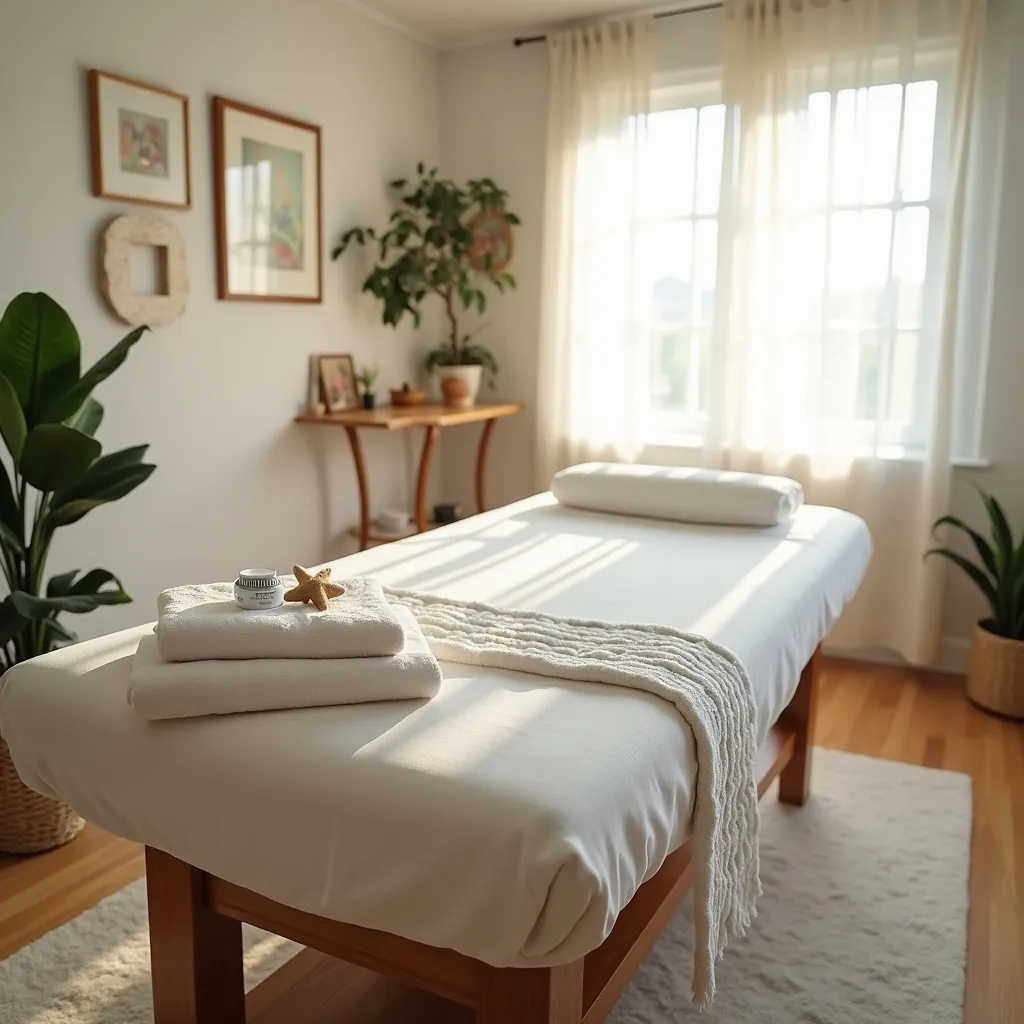
The Manner in Which Medical Massage Diminishes Chronic Pain
Medical massage addresses the root factors of chronic pain, providing a holistic approach to comfort. By leveraging specific techniques, such as deep tissue work and myofascial therapy, medical massage addresses both physical and emotional components of pain. Therapists evaluate individual needs, adapting treatments to reduce discomfort in targeted areas.
Studies suggest that this technique can lessen muscle tension, boost circulation, and improve flexibility, all of which help with pain decrease. Additionally, the restorative environment supports relaxation, which can cause lower stress and enhanced overall wellness.
Patients often share significant improvements in their symptoms, functionality, and quality of life after getting medical massage. This technique not only eases discomfort but also empowers individuals by delivering tools for independent health management and recovery. Overall, medical massage acts as an effective adjunct to standard pain relief approaches, fostering a thorough path toward wellness.
What Comprises a Refreshing Medical Massage?
A rejuvenating medical therapy includes a variety of methods created to encourage healing and relaxation. These techniques frequently include deep tissue manipulation, pressure point treatment, and fascial unwinding, each targeting particular muscle groups and fascia to relieve tightness and pain. The use of rhythmic strokes aids in improve blood flow, delivering oxygen and nutrients to affected areas while promoting the removal of bodily toxins.
Additionally, practitioners may incorporate stretching routines to enhance flexibility and movement range, further aiding in recovery. Aromatherapy oils and soothing music may also contribute, creating an setting favorable for relaxation. Each session is tailored to the individual’s needs, considering factors such as injury history and personal preferences. Ultimately, a rejuvenating medical massage aims not only to alleviate bodily pain but also to promote a sense of overall well-being, making it a comprehensive approach to health.
How Tranquility Optimizes Medical Massage Positive Outcomes
Creating space for relaxation functions as a key factor in maximizing the benefits of medical massage. By incorporating relaxation techniques, patients can realize superior muscle recovery and comprehensive pain relief. This interdependence between relaxation and therapeutic outcomes reinforces the centrality of a calm state during treatment.
Stress Reduction Techniques
While various types of therapy are used, stress reduction methods serve an essential role in increasing the effects of medical massage. Approaches such as deep breathing, mindfulness, and guided imagery may significantly reduce stress levels, creating a more helpful environment for healing. When individuals use these techniques before or during a massage, their bodies enter a state of relaxation that amplifies the massage's effects. This enhanced state of calm enables better muscle response and increased blood flow, aiding pain relief and relaxation. Furthermore, reduced stress has the potential to contribute to enhanced mental clarity and emotional well-being, making the overall experience more beneficial. Through applying stress reduction techniques, clients can enhance the therapeutic advantages of medical massage, leading to a deeper sense of rejuvenation.
Enhanced Muscle Recovery
Enhanced muscle recovery begins when the body reaches a state of relaxation, allowing medical massage to work more effectively. During this calm state, blood circulation increases, aiding the delivery of oxygen and nutrients to tired muscles. This process helps in the removal of metabolic waste, which can contribute to soreness and stiffness. Additionally, relaxation reduces muscle tension, enabling more thorough tissue manipulation, which improves the overall effectiveness of the massage. The release of endorphins during this process not only alleviates pain but also promotes a sense of well-being. Consequently, the combination of improved circulation, reduced tension, and pain relief leads to faster recovery times and enhanced performance for individuals, making relaxation a crucial component in the benefits of medical massage.
Essential Strategies for Impactful Medical Massage
Effective medical massage utilizes a range of techniques designed to reduce pain and encourage healing. Among these methods, deep tissue massage concentrates on realigning deeper layers of muscles and connective tissue, often addressing chronic aches and pain. Trigger point therapy locates and releases specific knots within muscles, providing immediate relief to localized discomfort. Swedish massage, defined by long, flowing strokes, enhances relaxation while improving circulation and flexibility. Additionally, myofascial release tackles restrictions in the fascia, allowing greater mobility and reducing tension. Sports massage, customized for athletes, combines techniques to prevent injuries and alleviate muscle soreness post-exercise. Each of these methods can be customized based on individual needs, guaranteeing a thorough approach to pain management. By combining these techniques, medical massage practitioners aim to create a balanced therapeutic experience that addresses both physical discomfort and emotional stress, ultimately cultivating an environment conducive to healing.
Benefits of Optimized Blood Flow Achieved Through Massage
Massage enhances blood flow, which delivers many important advantages, including better oxygen transport to tissues. The increased blood flow assists remove toxins from the body, advancing overall health. Furthermore, enhanced blood flow supports muscle recovery, enabling quicker healing and reduced pain.
Enhanced Oxygen Delivery
As the body experiences the relaxing effects of medical massage, improved oxygen delivery becomes a significant benefit of enhanced circulation. The working of soft tissues promotes blood flow, which boosts the transport of oxygen-rich blood to muscles and organs. This heightened oxygen delivery not only enhances cellular function but also supports tissue repair and recovery. Increased oxygen levels can alleviate fatigue, reduce muscle tension, and promote overall relaxation. Additionally, improved oxygenation may bolster endurance and performance in physical activities. Medical massage therefore plays a crucial role in optimizing the body's oxygen supply, contributing to a more efficient healing process and a heightened sense of well-being. This benefit underscores the importance of incorporating massage therapy into regular health routines.
Contaminant Elimination Advantages
Medical massage, when used consistently into wellness regimens, can greatly support in the removal of toxins from the body. The massage of soft tissues during massage promotes blood circulation, thus enhancing delivery of oxygen and nutrients while promoting the discharge of metabolic waste. This process works to flush out toxins such as lactic acid and other byproducts collected in muscles and tissues. Enhanced circulation also encourages lymphatic drainage, which plays an important role in immune function and detoxification. As toxins are efficiently removed, individuals may notice reduced inflammation and enhanced overall well-being. Thus, medical massage not only provides immediate relief but also supports a healthier internal environment, enhancing long-term wellness and health.
Improved Muscle Recovery
Medical therapy notably speeds muscle recovery by enhancing circulation within the body. Boosted blood flow transports key nutrients and oxygen to muscles, promoting faster healing and alleviating soreness post physical exertion. The process not only eases tension but also aids in eliminating metabolic waste that builds up during strenuous activity. Additionally, massage stimulates the lymphatic system, further aiding in the removal of toxins. Through easing muscle stiffness and fostering relaxation, medical massage establishes a favorable environment for recovery. Athletes and individuals recovering from injuries can particularly benefit from this technique, as it enhances overall performance and endurance. Ultimately, better circulation achieved through massage plays a vital role in efficient muscle recovery strategies.
How to Choose the Ideal Medical Massage Therapist?
How can an individual guarantee they locate the suitable medical massage therapist? The decision-making process starts with verifying credentials. A skilled therapist should maintain appropriate certifications and licenses, guaranteeing they have finished appropriate training. Additionally, requesting advice from medical professionals or dependable individuals can be priceless.
Next, it is critical to examine the therapist's experience, particularly in handling certain disorders or injuries. This expertise can markedly influence treatment outcomes.
Furthermore, a potential client should evaluate the therapist's communication style; a good therapist will pay close attention and provide a thorough consultation to meet personal requirements.
In conclusion, the context is essential in determining the complete outcome. A serene, tidy space can improve ease and well-being. By adhering to these recommendations, people can more effectively manage their choices, eventually leading in a more effective and satisfying medical massage experience.
What to Expect During Your First Medical Massage Session?
During the initial therapeutic massage session, clients can generally expect a organized and educational experience. Upon check-in, they will likely complete a medical questionnaire, outlining health background and particular problem areas. This data helps the practitioner tailor the session to personal requirements.
Subsequently, a dialogue will develop, allowing the therapist to clarify important guide any questions and establish treatment goals. Clients are encouraged to voice their thoughts openly about their sense of well-being throughout the session.
A massage may employ various techniques, centered on reducing aches and enhancing relaxation. Clients should understand that force applied can be tailored to fit their desires.
After the appointment, mental health professionals often provide suggestions for continued treatment or personal coping techniques, emphasizing the significance of ongoing communication. Overall, the first session seeks to build trust and set the foundation for effective treatment moving forward.
Popular Questions Posed Often
Can Medical Massage Deliver Assistance with Alleviating Stress and Anxiety?
Therapeutic treatment can truly assist with anxiety and stress relief. By promoting calmness and reducing muscular tightness, it helps people handle emotional distress, enhancing overall well-being and fostering a sense of tranquility in their lives.
How Often Should I Receive a Medical Massage for Optimal Results?
For optimal results, it is typically suggested that individuals receive therapeutic massages weekly. However, how often sessions occur may vary based on personal needs, specific conditions, and professional advice from a qualified massage therapist.
Is Medical Massage Therapy Safe for All, Along with Pregnant People?
Medical massage is usually safe for many clients, including pregnant individuals, but it is important to consult a healthcare practitioner beforehand. Tailored assessments verify that unique conditions and specific needs are addressed suitably for wellbeing.
What Clothing Ought to I Have on During a Medical Massage Session?
During a medical massage appointment, individuals should don relaxed, baggy attire that allows for easy movement. Undergarments are typically sufficient, but patients may also choose a robe provided by the therapist for extra comfort.
What Unwanted Effects Might Be Connected to Medical Massage?
Remedial massage may bring about temporary side effects including soreness, bruising, or weariness. On occasion, persons might experience emotional releases or enhanced perception. Meeting with a specialist can provide help with resolving any concerns preceding and succeeding treatment.
Report this page