Choose Knot Therapy Massage LLC offering customized wellness treatments
Choose Knot Therapy Massage LLC offering customized wellness treatments
Blog Article
Unlock the Benefits of Therapeutic Massage: Your Path to Relaxation and Well-being
Massage therapy provides a complete strategy to boosting well-being. It boosts circulation and alleviates anxiety, fostering both bodily and emotional health. Multiple approaches address specific needs, making it vital to recognize their separate advantages. As people consider adding massage to their health routines, concerns surface about best choices and results. What knowledge can be gained from exploring these dimensions further?
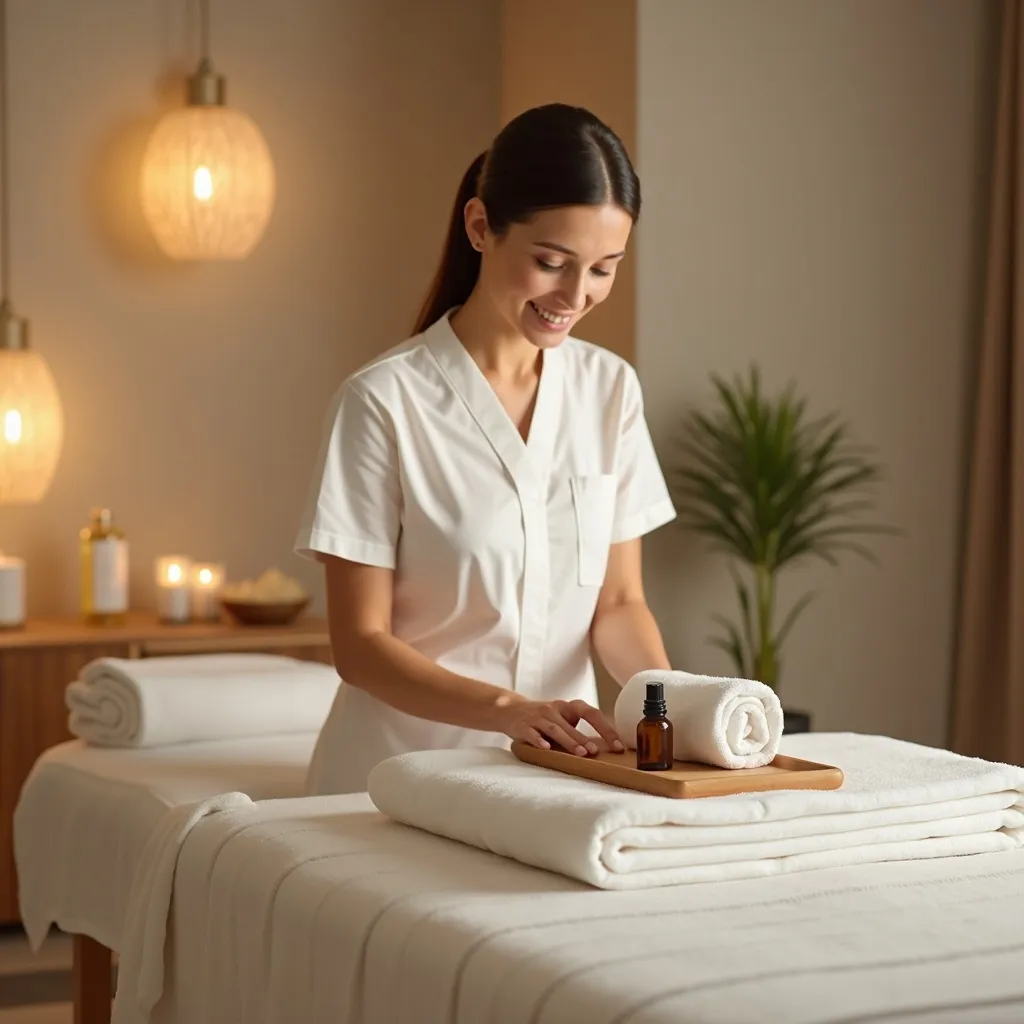
The Scientific Basis for Massage Therapy Advantages
What powers bodywork to be so powerful in supporting well-being? The research backing this approach stems from its capacity to modify the body's mental and physical states. Massage therapy boosts circulation, maximizing the supply of nutrients and oxygen to tissues while supporting the expulsion of cellular waste. This enhanced circulation can lead in speedier recovery from physical injuries and lessened muscle tightness. Additionally, the physical touch present in therapeutic practice stimulates the release of natural opioids, the body's inherent pain relievers, generating a state of comfort and relaxation.
Moreover, evidence indicates that massage therapy can affect the autonomic nervous system, converting it from a state of stress to one of peace. This stability helps sustain heart rate and blood pressure, enhancing overall health. By tackling both physical and emotional aspects, massage therapy acts as a integrated method to improving vitality, making it a key resource in health management.
The Way Massage Treatment Minimizes Pressure and Anxiety
Massage therapy is recognized for promoting an enhanced relaxation response, which can significantly reduce stress and anxiety. Research suggests that it successfully lowers cortisol levels, contributing to a more peaceful mental state. Additionally, the practice encourages improved mood regulation, further supporting emotional well-being.
Improved Calming State
The calming sensation provided by expert hands can cause a profound relaxation response, efficiently alleviating tension and anxiety. Massage therapy promotes the release of tension in the muscles, promoting an overall sense of calm. This physical release assists people feel more grounded, enabling their minds to achieve a peaceful state. Clients commonly share experiencing a significant reduction in fast thoughts and mental clutter both during and after a session. In addition, the steady patterns of massage can trigger a meditative state, enhancing emotional well-being. As the body relaxes, the heart rate usually slows down, and breathing becomes more profound and more even. This comprehensive relaxation response does not only provides immediate relief but also supports long-term improvements in stress management and overall mental health.
Reduced Cortisol Levels
While many seek relaxation through various methods, research shows that massage therapy significantly lowers cortisol levels, a main stress hormone. Elevated cortisol is often linked to chronic stress, which can lead to multiple health problems, including anxiety and depression. Research show that consistent therapeutic massage can considerably reduce these cortisol levels, fostering a state of peace and wellness. This reduction not only alleviates immediate stress responses but also contributes to long-term health benefits. By lowering cortisol, therapeutic massage can help people manage their stress more effectively, enhancing their overall quality of life. In addition, lower cortisol levels may enhance sleep and strengthen immune function, establishing a holistic approach to wellness and relaxation.
Optimized Mood Regulation
Although many factors contribute to emotional well-being, research highlights that massage therapy plays a significant role in improving emotional balance by lowering stress and anxiety. The physiological effects of massage, such as increased circulation and muscle relaxation, encourage a sense of calm. Studies have shown that regular sessions can lead to lower levels of cortisol, the stress hormone, while at the same time boosting the neurotransmitters serotonin and dopamine, which are linked to feelings of happiness and relaxation. Clients often report a reduction in anxiety and depression symptoms after treatment, which can enhance overall emotional resilience. By addressing both physical and emotional tension, massage therapy serves as a valuable tool for individuals seeking to improve their mental health and achieve a balanced mood.
Understanding Bodywork Therapy Practices and Their Rewards
Massage therapy encompasses a range of techniques, each created to tackle particular bodily and emotional needs. An overview of these methods shows substantial health advantages, ranging from enhanced calm to better circulation. Understanding the different techniques can help individuals choose the most effective approach for their health journey.
Types Of Therapeutic Techniques
The diverse world of massage therapy encompasses a variety of approaches, each customized to fulfill specific consult now requirements and desires. Swedish massage remains one of the most popular styles, emphasizing on extended, flowing movements to promote relaxation. Deep tissue massage delves deeper into muscle layers to alleviate long-standing tension. Sports massage serves athletes, enhancing capability and aiding recovery through targeted approaches. Shiatsu, a Japanese method, uses finger pressure on specific areas to balance energy flow. Meanwhile, aromatherapy massage combines essential oils with gentle methods to boost peace and wellness. Finally, prenatal massage is designed for expectant mothers, providing comfort and relief from pregnancy-related discomfort. Each approach offers unique benefits and can serve to individual health objectives.
Health Advantages Overview
Exploring the numerous health benefits of massage therapy reveals its powerful impact on physical and mental well-being. Studies suggest that massage can reduce pain, reduce muscle tension, and enhance circulation, helping quicker recovery from injuries. It also increases flexibility and range of motion, necessary for supporting an active lifestyle. Psychologically, massage therapy is known to decreasing stress and anxiety, helping better mood and mental clarity. It also promotes better sleep quality, enabling restorative rest. Regular treatment can lead to a more balanced mind and body, highlighting the value of incorporating massage therapy into holistic wellness approaches. Consequently, the benefits of massage therapy extend far beyond mere relaxation.
How to Select the Best Massage for Your Goals
What is the best way to choose the most fitting massage type to match personal wellness goals? First, it is crucial to identify specific needs, such as relaxation, pain relief, or improved mobility. For stress reduction, Swedish massage may be ideal, emphasizing gentle techniques that promote relaxation. Conversely, for muscle tension or chronic pain, deep tissue massage targets deeper layers of muscle and connective tissue.
Individuals pursuing enhanced athletic performance could benefit from sports massage, which emphasizes improving flexibility and decreasing the risk of injury. Additionally, those curious about holistic approaches might explore aromatherapy massages, adding essential oils for enhanced relaxation and mood improvement.
Reaching out to a trained massage practitioner can convey meaningful direction into which techniques are most suitable for specific intentions. By exploring the assorted styles of hands-on therapy and their therapeutic outcomes, individuals can select thoughtful options that genuinely support with their wellness goals.
Make Therapeutic Massage Part of Your Wellness Routine
Weaving therapeutic massage into your wellness routine can greatly improve overall well-being. Regular appointments can calm anxiety, decrease muscle tension, and enhance circulation, furthering a more steady way of living. By committing moments for massage, individuals form a dedicated space for relaxation and self-care, which can be notably beneficial in modern life's rapid tempo.
Establishing a consistent schedule, whether per week or biweekly, gives the body to harvest cumulative benefits. This approach not only helps maintain physical health but also fosters mental focus and emotional stability. Additionally, combining assorted types of treatment—such as Swedish, deep tissue, or aromatherapy—can address to targeted needs and inclinations, elevating the complete session.
In the end, incorporating massage therapy into a wellness routine enables individuals to prioritize their health, resulting in improved quality of life and a deeper connection to their body's needs.
What to Expect During Your First Massage Session
After recognizing massage therapy as an vital component of a wellness routine, individuals may ask what their first session will involve. Typically, the experience begins with a brief consultation where the therapist reviews the client's medical history, preferences, and specific areas of concern. This dialogue ensures a customized approach tailored to individual needs.
Once at ease, customers are guided to a private room and requested to undress to their level of comfort, often under a towel or towel for discretion. The practitioner will demonstrate methods, explaining the process and addressing any concerns. Initial strokes may seem unusual, but the practitioner will modify intensity according to feedback.
Throughout the appointment, ease is emphasized, and clients are requested to mention any discomfort. Post-massage, clients typically receive post-treatment recommendations, including fluid consumption tips and optional stretches. Altogether, the first session provides the basis for a wellness partnership oriented toward wellness.
Common Inquired Queries
How Regular Should My Massage Schedule Be for Best Results?
To optimize advantages, people should explore getting a massage every four to six weeks. However, frequency may differ based on personal needs, stress levels, and specific health conditions requiring personalized treatment for best results.
Is Massage Therapy Beneficial For Certain Medical Conditions?
Massage therapy helps with managing specific health issues, such as chronic pain, anxiety, and muscle tension. Its curative effects may work with conventional treatments, advancing general well-being and facilitating recovery for various medical issues.
Which Should I Wear Throughout a Massage Appointment?
During a massage session, people usually put on loose, comfortable clothing or may choose to undress to their comfort level. Massage professionals provide coverings for privacy, ensuring calmness while maintaining professional standards throughout the session.
What Negative Effects Can Massage Treatment Produce?
Massage therapy may result in minor complications, consisting of transient pain, bruising, or fatigue. Individuals with particular health concerns could suffer stronger adverse responses, therefore meeting with a physician beforehand is advisable for personalized guidance.
Where Should I Look to Find a Qualified Massage Therapist?
To find a qualified therapeutic massage professional, individuals should request recommendations from reliable sources, verify credentials, read customer reviews, and validate licenses. Pre-booking consultation can also help determine compatibility and knowledge.
Report this page